Choosing the right roofing material is one of the most important decisions when repairing or replacing your roof. The material you select affects not only the appearance of your home but also its durability, energy efficiency, and long-term maintenance costs.
With so many options available, it can be difficult to know which roofing material is best for your property. This guide will help you understand the most common roofing materials, their benefits, and what to consider before making a decision.
Why Roofing Material Choice Matters
Your roof is your home’s first line of defence against weather conditions such as rain, wind, frost, and heat. The right material ensures your roof performs well in these conditions while providing long-lasting protection.
Choosing the wrong material can lead to:
- Frequent repairs
- Higher maintenance costs
- Reduced energy efficiency
- Shorter roof lifespan
Taking the time to choose suitable roofing materials can save money and stress in the long run.
Key Factors to Consider Before Choosing Materials
Before selecting roofing materials, it’s important to consider a few key factors:
Climate and Weather
In the UK, roofs must withstand frequent rain, wind, and seasonal temperature changes. Materials should be durable and weather-resistant.
Roof Style and Pitch
Some materials are better suited to pitched roofs, while others work best on flat or low-slope roofs.
Budget
Different materials vary significantly in cost, both for installation and long-term maintenance.
Appearance
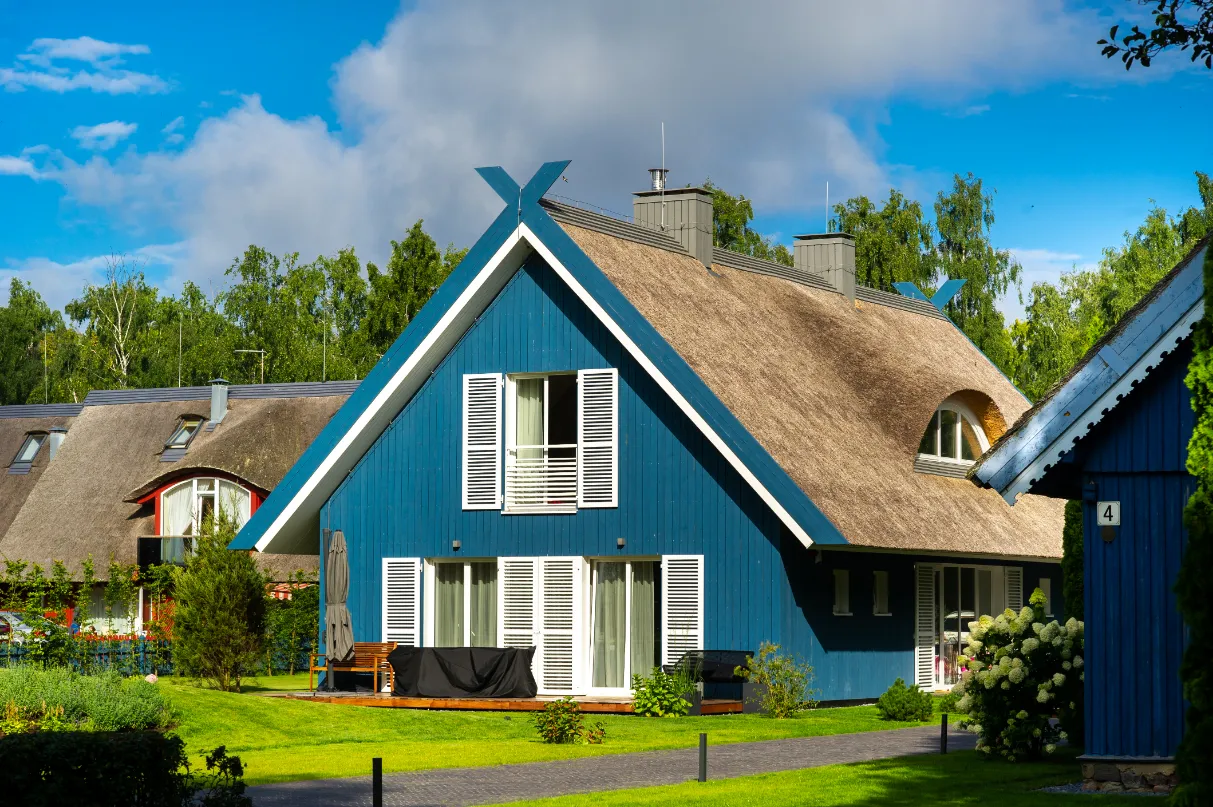
The roof plays a major role in your home’s overall look. Choosing materials that complement your property style is important.
Maintenance Requirements
Some roofing materials require more regular maintenance than others.
Common Roofing Materials Explained
1. Tile Roofing (Clay and Concrete)
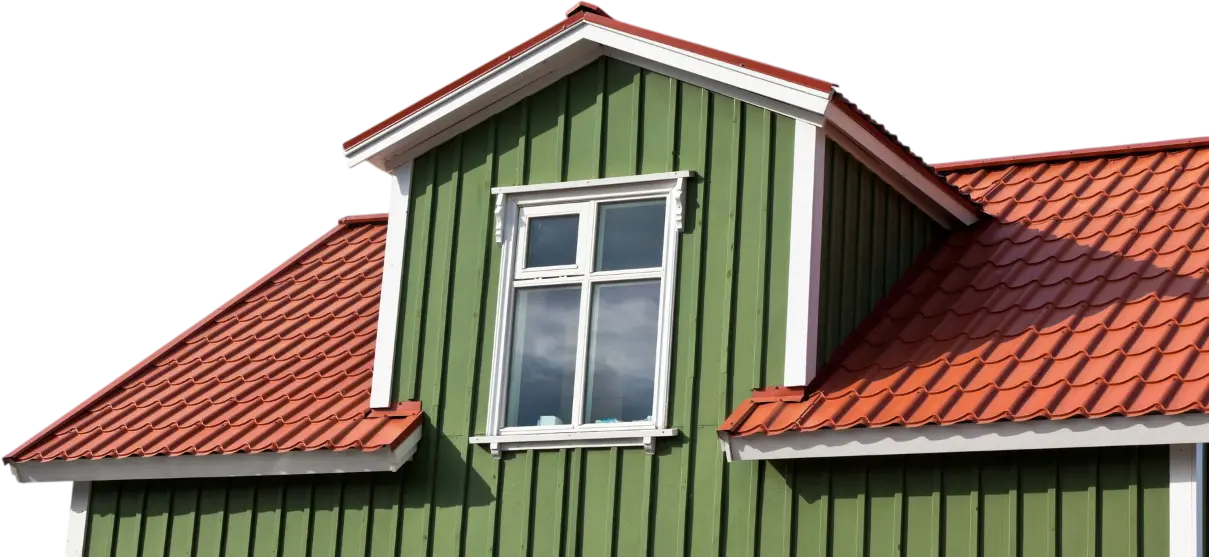
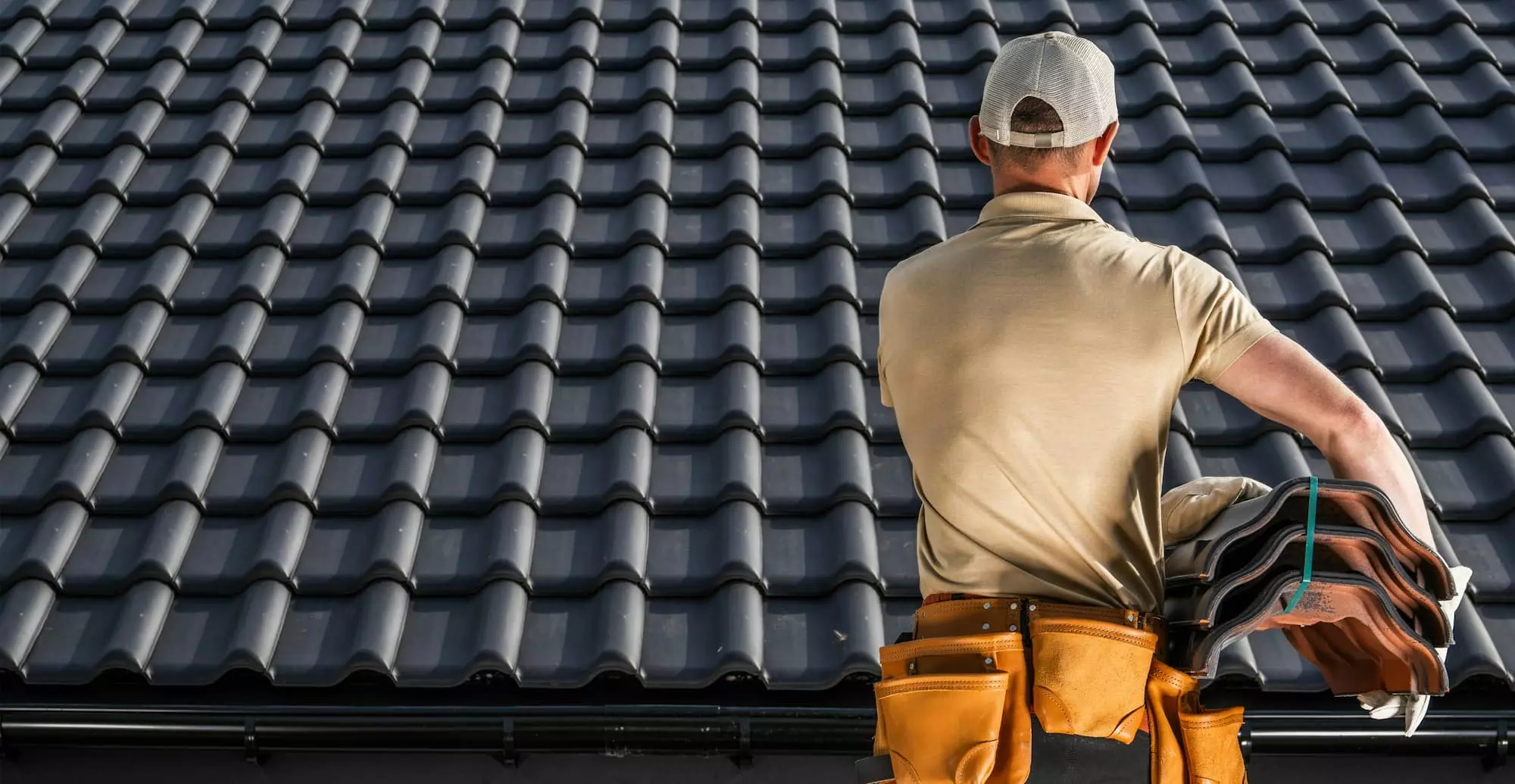
Tile roofing is one of the most popular choices for residential properties in the UK. Clay and concrete tiles are well known for their durability and traditional appearance.
Benefits:
- Long lifespan
- Excellent weather resistance
- Low maintenance
- Classic appearance
Considerations:
- Heavier than some materials
- May require stronger roof structure
Tile roofing is ideal for pitched roofs and suits both modern and traditional homes.
2. Slate Roofing
Natural slate is a premium roofing material known for its elegant appearance and exceptional durability.
Benefits:
- Extremely long lifespan
- Highly resistant to weather
- Natural, high-end appearance
Considerations:
- Higher initial cost
- Requires skilled installation
Slate roofing is an excellent choice for homeowners seeking long-term value and a timeless look.
3. Asphalt Shingles
Asphalt shingles are widely used due to their affordability and ease of installation.
Benefits:
- Cost-effective
- Available in various colours and styles
- Relatively easy to install
Considerations:
- Shorter lifespan than tiles or slate
- May require more frequent replacement
Asphalt shingles are a practical option for homeowners on a budget.
4. Flat Roofing Materials
Flat roofs are commonly found on extensions, garages, and commercial properties. Popular flat roofing materials include felt, EPDM rubber, and GRP fibreglass.
Benefits:
- Suitable for low-slope roofs
- Cost-effective options available
- Easy access for maintenance
Considerations:
- Requires proper drainage
- Professional installation is essential
Flat roofing materials should always be chosen carefully to ensure long-term performance.
5. Leadwork and Flashing
While not a full roofing material, leadwork plays a crucial role in protecting roof joints, chimneys, and valleys.
Benefits:
- Excellent durability
- Flexible and weather-resistant
- Essential for preventing leaks
Quality leadwork ensures roofing systems remain watertight and secure.
Matching Materials to Your Property
Every property is different, and the right roofing material depends on your home’s structure and design.
- Traditional homes often suit clay tiles or slate
- Modern properties may work well with concrete tiles or shingles
- Extensions and garages commonly use flat roofing systems
A professional roofer can help assess your property and recommend suitable options.
Energy Efficiency and Insulation
Roofing materials can impact your home’s energy efficiency. Some materials offer better insulation properties, helping to regulate indoor temperatures.
Proper insulation combined with suitable roofing materials can:
- Reduce heat loss
- Lower energy bills
- Improve indoor comfort
Energy efficiency should always be part of the decision-making process.
Importance of Professional Installation
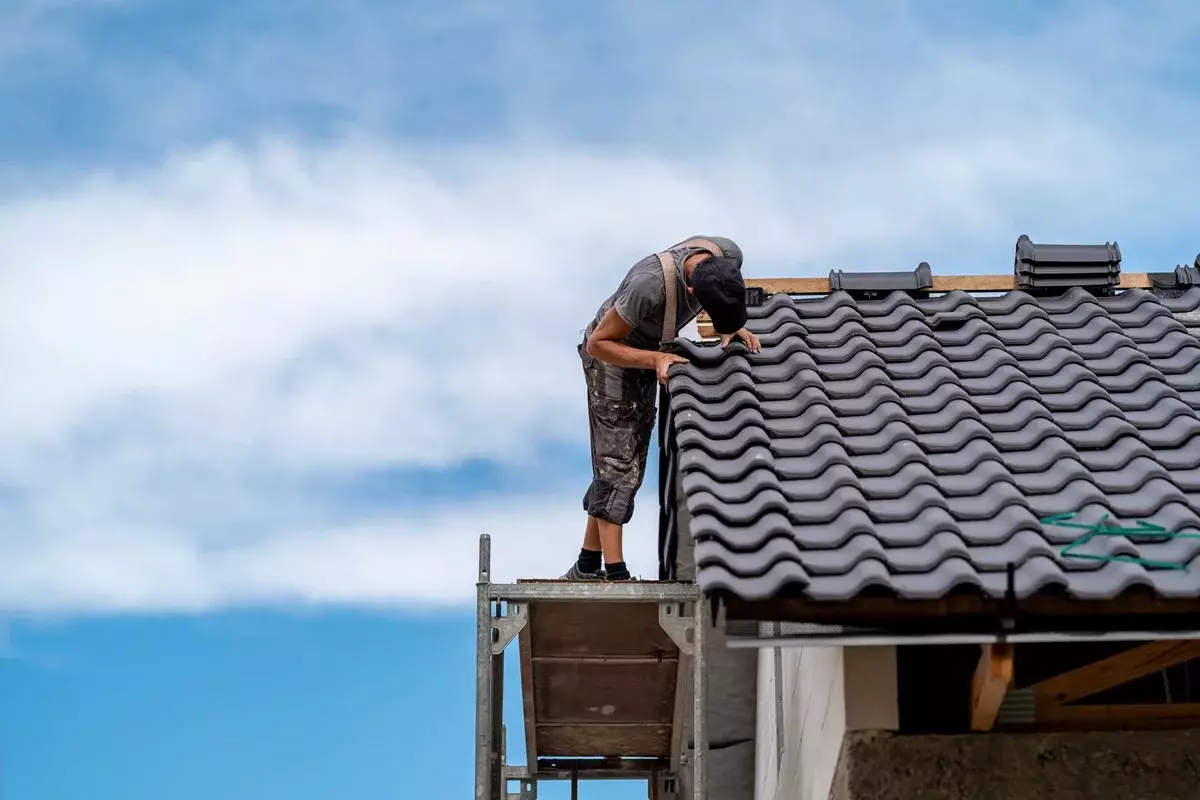
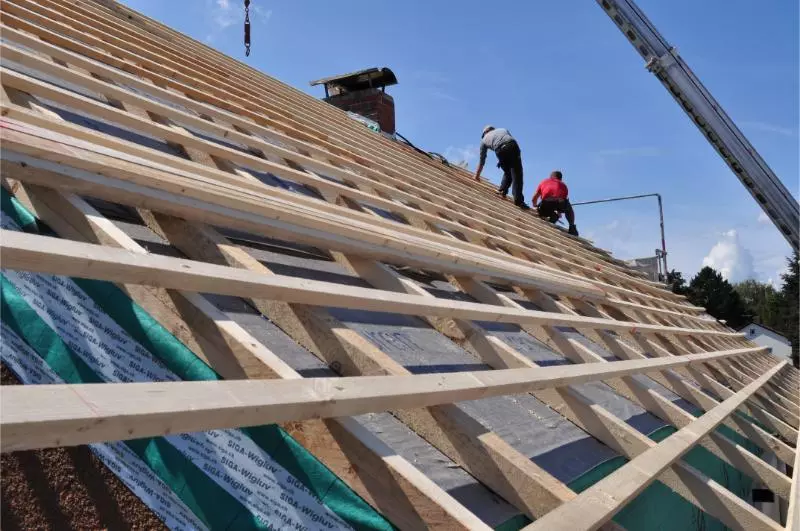
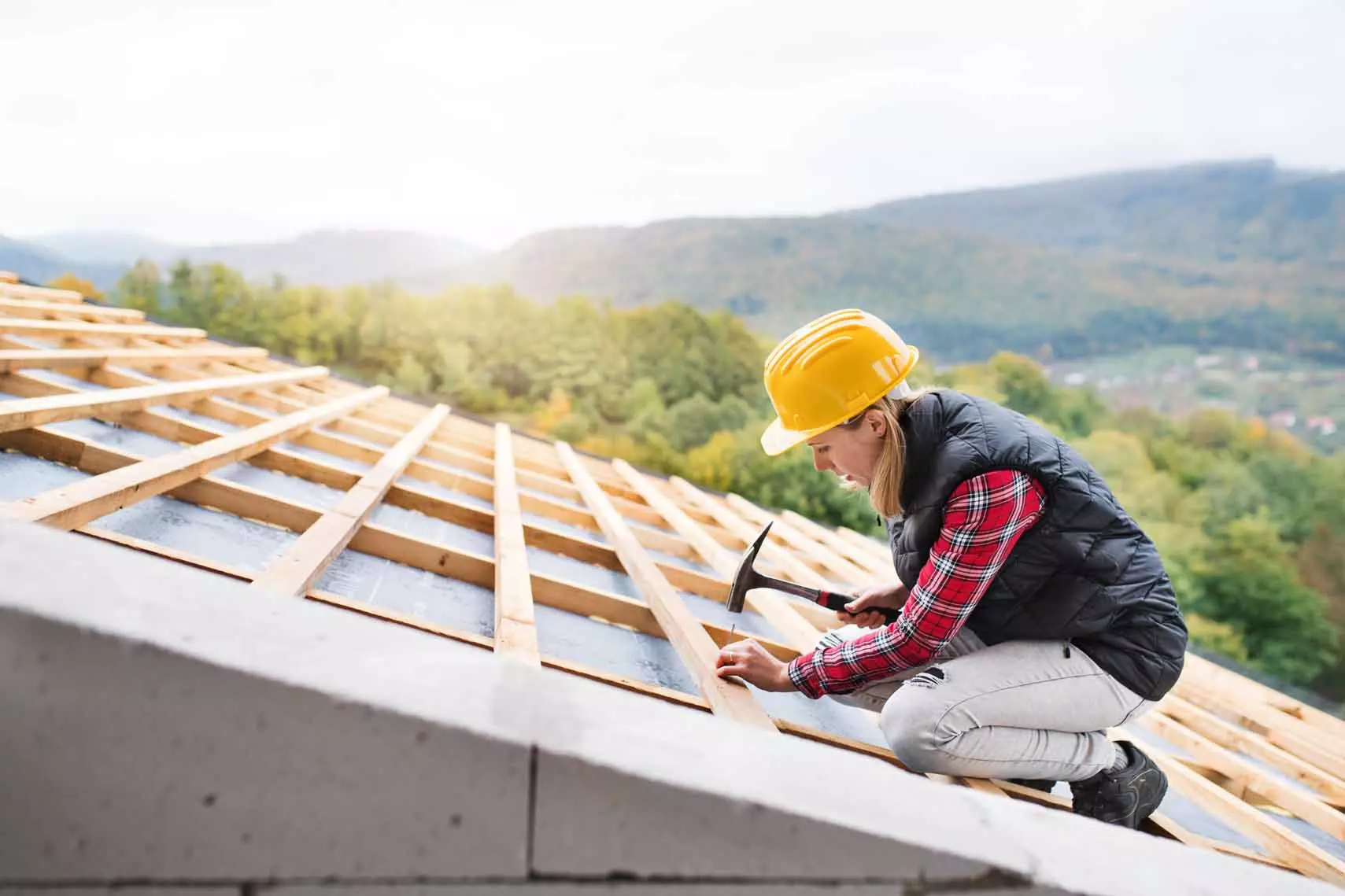
Even the best roofing materials will fail if not installed correctly. Professional installation ensures materials perform as intended and comply with safety standards.
Experienced roofers:
- Assess structural requirements
- Install materials correctly
- Ensure proper ventilation and drainage
Quality workmanship is just as important as material choice.
Long-Term Maintenance Considerations
Each roofing material has different maintenance needs. Understanding these requirements helps you plan for the future.
- Tile and slate roofs require minimal maintenance
- Flat roofs need regular inspections
- Gutters and flashing should always be checked
Routine maintenance helps extend the lifespan of any roofing material.
Getting Expert Advice
Choosing the right roofing material doesn’t have to be complicated. Consulting a professional roofing specialist can provide clarity and confidence.
A qualified roofer can:
- Assess your property
- Recommend suitable materials
- Provide clear cost estimates
- Ensure long-term performance
Expert guidance helps you make an informed decision that suits your needs and budget.
Final Thoughts
Selecting the right roofing materials is an investment in your home’s future. By considering factors such as durability, appearance, maintenance, and professional installation, you can ensure your roof provides reliable protection for years to come.
If you’re planning a roof repair or replacement and need advice on materials, seeking professional support is always the best first step.