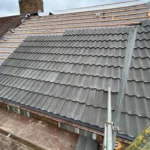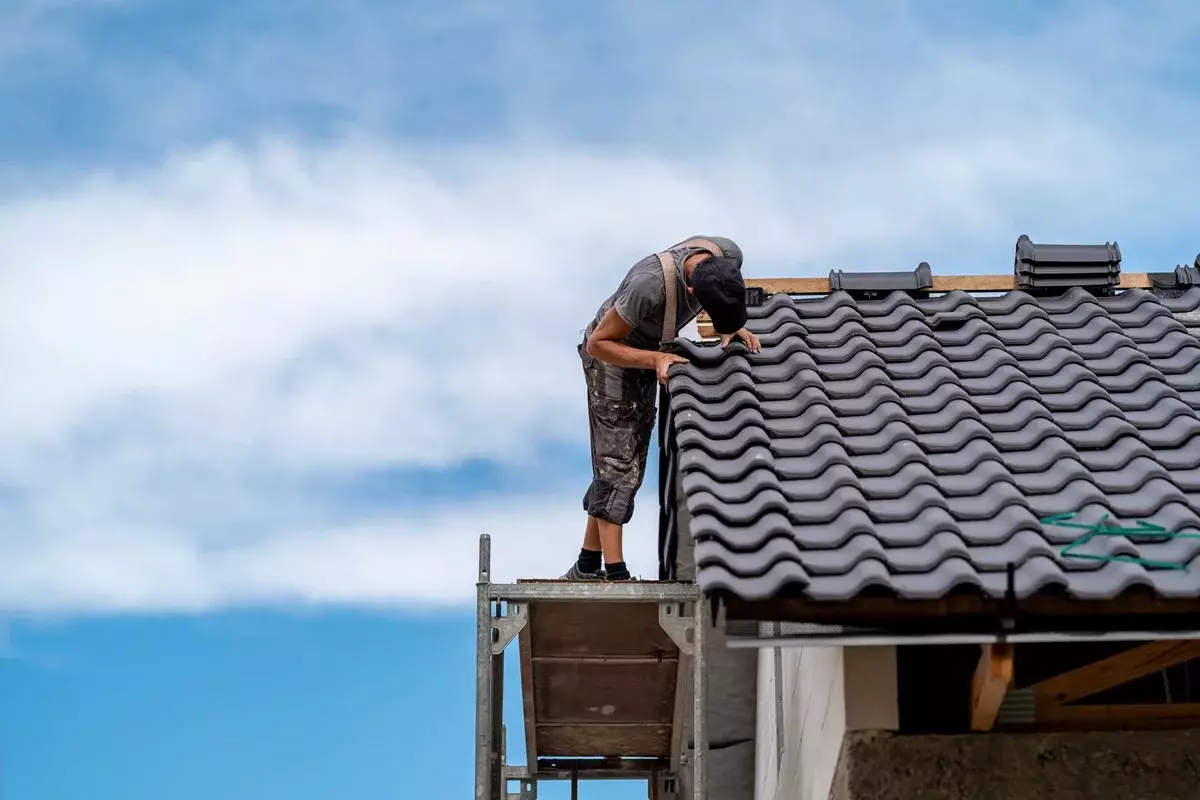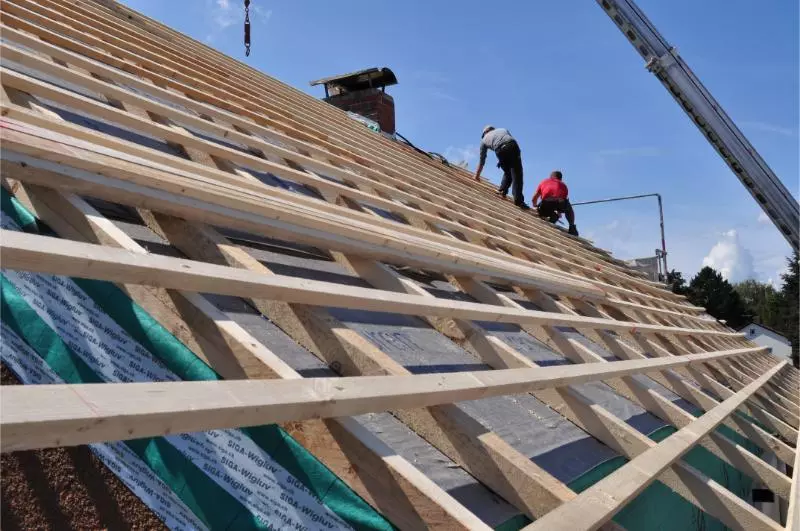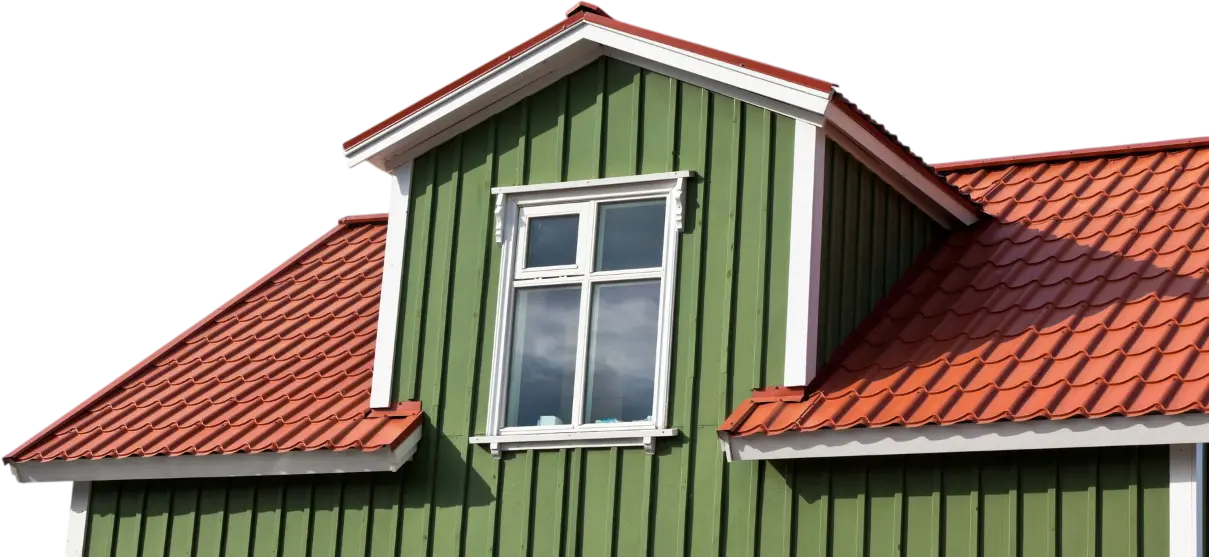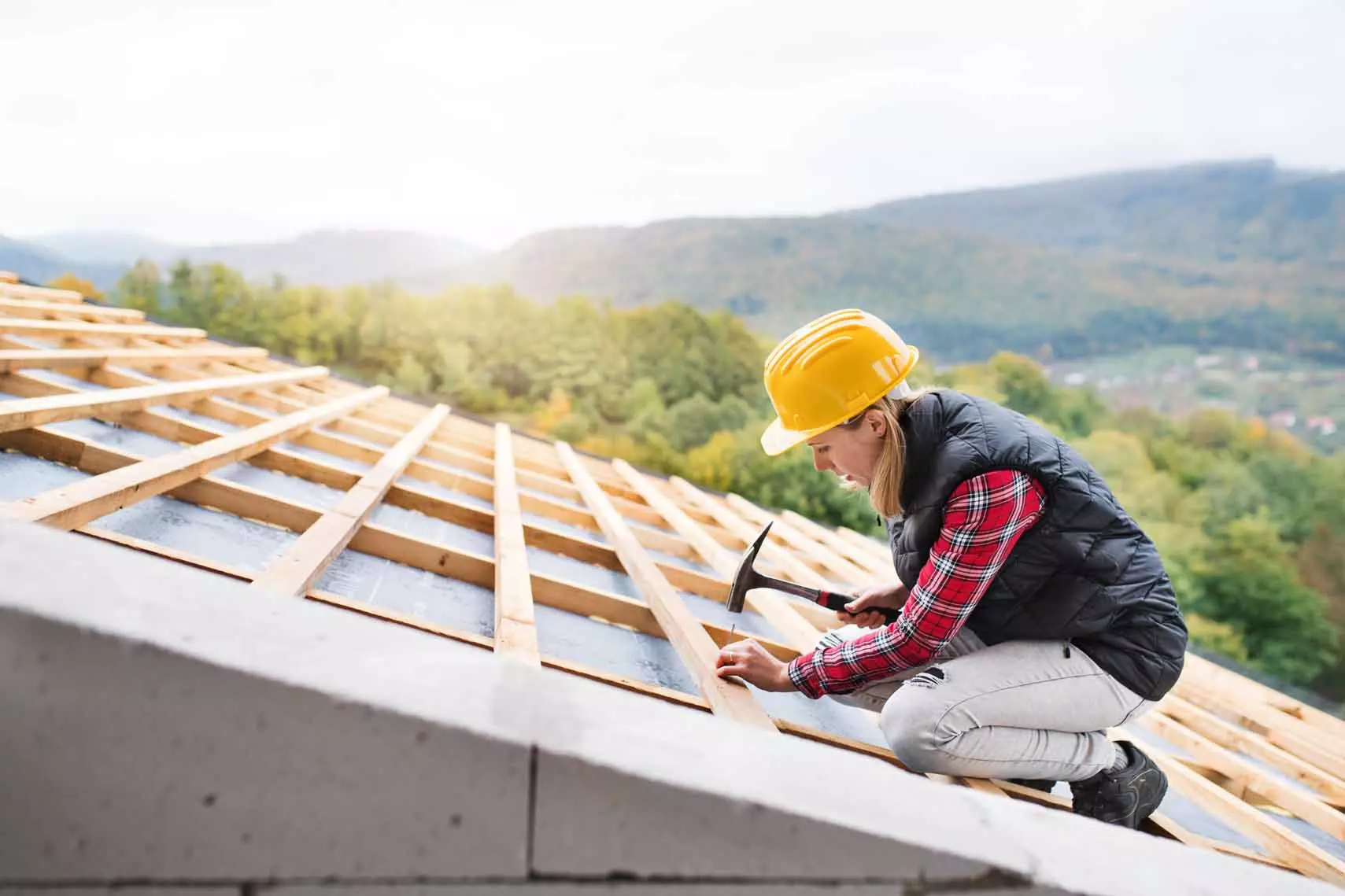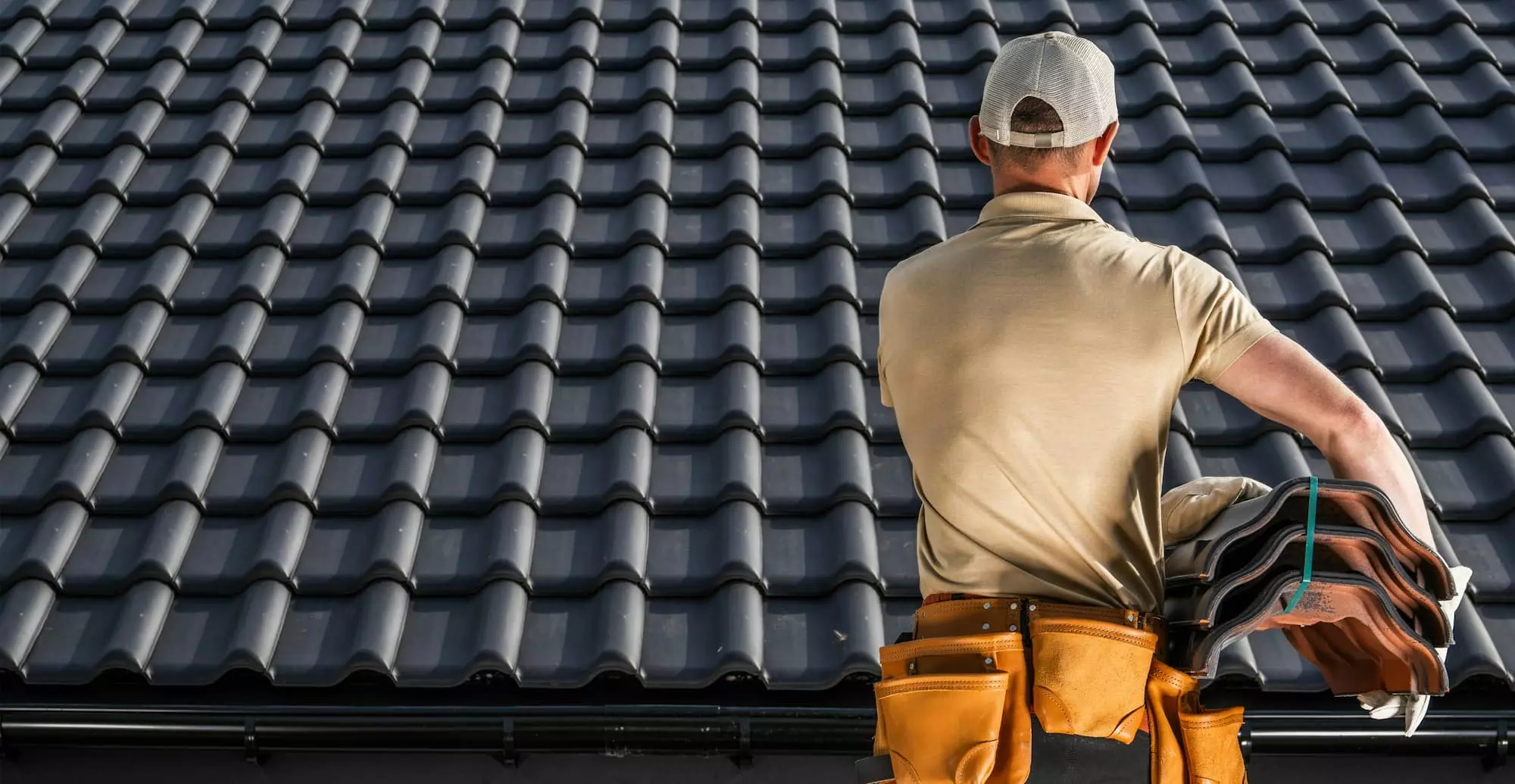
Regular roof maintenance is essential for protecting your home and avoiding costly repairs. Your roof is constantly exposed to weather conditions such as rain, wind, frost, and sunlight, all of which can gradually cause wear and damage. With proper care and routine checks, you can extend the life of your roof and keep it performing effectively for years to come.
This guide explains practical, easy-to-follow roof maintenance tips that every homeowner should know.
Why Roof Maintenance Is Important
Roof maintenance helps identify small issues before they turn into major problems. Minor damage, such as loose tiles or blocked gutters, can quickly develop into leaks, damp, or structural damage if left untreated.
By maintaining your roof regularly, you can:
- Prevent unexpected leaks and water damage
- Extend the lifespan of roofing materials
- Improve energy efficiency
- Maintain your property’s value
- Avoid expensive emergency repairs
Routine maintenance is always more cost-effective than major repair work or roof replacement.
1. Carry Out Regular Visual Inspections
One of the simplest ways to maintain your roof is through regular visual inspections. You don’t need to climb onto the roof—checking from ground level with binoculars is often enough.
Look out for:
- Cracked, broken, or missing tiles
- Uneven or sagging roof lines
- Visible debris buildup
- Signs of moss or algae growth
After storms or strong winds, it’s especially important to check for visible damage.
2. Keep Gutters Clean and Clear
Gutters play a vital role in directing rainwater away from your roof and property. When gutters become blocked with leaves, moss, or debris, water can overflow and damage roof edges, walls, and foundations.
To maintain your gutters:
- Clear them at least twice a year
- Check downpipes for blockages
- Ensure water flows freely away from the building
Clean gutters help prevent water backing up onto the roof and reduce the risk of damp and leaks.
3. Check Flashing and Leadwork
Lead flashing protects vulnerable areas of your roof, such as around chimneys, roof valleys, and joints. Over time, flashing can crack, loosen, or deteriorate due to weather exposure.
Inspect leadwork for:
- Cracks or splits
- Lifting or movement
- Gaps around chimneys or joints
Damaged flashing is a common cause of leaks, so addressing issues early is essential.
4. Remove Moss and Algae Growth
While moss may seem harmless, it can cause long-term damage if left unchecked. Moss retains moisture, which can weaken roofing materials and lead to deterioration over time.
To manage moss growth:
- Gently remove moss using appropriate tools
- Avoid pressure washing, which can damage tiles
- Consider professional roof cleaning services
Regular moss control helps maintain the appearance and integrity of your roof.
5. Inspect the Roof After Severe Weather
Severe weather can cause sudden damage to your roof, even if it appears to be in good condition. High winds may dislodge tiles, while heavy rain can expose weak points.
After extreme weather:
- Look for missing or shifted tiles
- Check for debris on the roof
- Inspect ceilings for new stains
Prompt inspections allow you to address storm damage before it worsens.
6. Ensure Proper Ventilation
Good roof ventilation helps regulate temperature and moisture levels inside your home. Poor ventilation can lead to condensation, damp insulation, and mould growth.
Signs of ventilation issues include:
- Excess moisture in the loft
- Mould or mildew
- Increased energy bills
Ensuring proper airflow can protect your roof structure and improve indoor comfort.
7. Trim Overhanging Trees
Trees near your property can pose a risk to your roof. Overhanging branches may scrape against tiles, drop debris, or even break during storms.
To reduce risk:
- Trim branches that hang over the roof
- Remove dead or weak limbs
- Keep trees at a safe distance
This simple step can prevent damage and reduce gutter blockages.
8. Schedule Professional Roof Inspections
While regular homeowner checks are helpful, professional inspections are essential for thorough roof maintenance. Experienced roofers can identify hidden issues that may not be visible from the ground.
A professional inspection typically includes:
- Detailed roof condition assessment
- Checking flashing, tiles, and joints
- Identifying early signs of wear or damage
Annual inspections are recommended, especially for older roofs.
9. Address Small Issues Immediately
Small roofing problems rarely stay small. A loose tile, minor leak, or cracked flashing can quickly lead to significant damage if ignored.
Early repairs:
- Reduce overall repair costs
- Prevent structural damage
- Protect interior spaces
Prompt action is always the best approach when it comes to roof maintenance.
10. Keep Records of Maintenance and Repairs
Maintaining a record of roof inspections and repairs can be very helpful. Documentation provides a clear history of work completed and helps professionals assess future maintenance needs.
Keeping records also adds value when selling your property, as buyers appreciate proof of proper roof care.
Final Thoughts
Regular roof maintenance is one of the smartest ways to protect your home. With routine inspections, proper cleaning, and timely repairs, you can extend your roof’s lifespan and avoid unnecessary expenses.
A well-maintained roof provides peace of mind, improved energy efficiency, and long-term protection for your property.
If you’re unsure about your roof’s condition or would like professional guidance, scheduling an inspection is always a wise decision.